


Table Of Contents
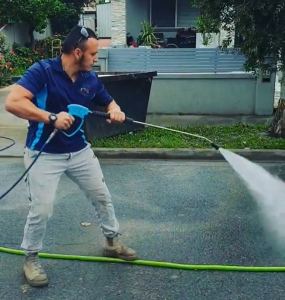
Hydro jetting is widely recognised by plumbers as more effective at clearing stubborn blockages compared with traditional methods like drain snaking.
Blocked drains in Sydney disrupt routine and create stress that no homeowner wants to deal with. They produce bad smells and sometimes lead to flooding inside the home.
At Hero Plumbing, we use hydro jet cleaning across Australian homes because it delivers lasting results when performed correctly.
In this blog, we will explain how this method works, why it’s so effective, and when it’s the right solution for your property.
Why Hydro Jet Drain Cleaning Is So Effective
Instead of simply punching a hole through a clog like a drain snake, hydro jet cleaning:
- Uses extremely high-pressure water
- Cleans the full internal diameter of the pipe
- Breaks apart debris and flushes it away
- Restores smooth internal pipe walls
The result is a clean and free-flowing drain system that performs the way it should and is far less likely to clog again.
How Hydro Jet Cleaning Works
Step 1: We Inspect the Drain with a Camera
Before we start the cleaning process, we do a CCTV drain inspection. This step helps us to assess the condition of the pipe, identify the location and what’s causing the blockage.
Our team of plumbers in Sydney checks for:
- Pipe material
- Structural condition
- Cracks or collapses
- Root intrusion
- Severity of build-up
Hydro jet drain cleaning is powerful, but it must only be used on pipes that are in good condition. If the pipe is badly damaged, repairs should be done first before pressure cleaning begins.
Step 2: Setting Up the Hydro Jet Equipment
A hydro jet system consists of several key components:
- A high-capacity water tank
- A motor and pump system
- A heavy-duty reinforced hose
- A specialised multi-directional nozzle
The nozzle design is crucial to how the system works. Most nozzles have forward-facing jets that break through blockages, and rear-facing jets that help push the hose forward while cleaning the inside walls of the pipe.
This dual-action system ensures that hydro jet cleaning does more than simply push debris forward. It cleans as it moves, removing build-up along the entire pipe interior.
Step 3: High-Pressure Water Clears the Blockage
Once positioned inside the drain, the hydro jet releases water at high pressure, often between 3,000 and 5,000 PSI, depending on the situation.
The forward jets break apart the obstruction while the rear jets:
- Push the hose deeper into the pipe
- Scrub away grease, sludge, and other residue from the pipe walls
- Flush the loosened debris safely downstream
The result is a pipe that is cleared and thoroughly cleaned.
What Can Hydro Jet Remove?
Kitchen Drain Blockages
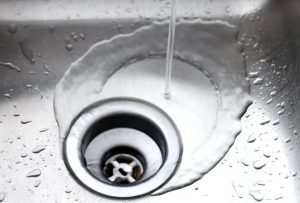
Kitchen sinks deal with grease, oils, and food scraps every single day. As grease cools, it sticks to the pipe walls and gradually forms thick layers that narrow the pipe. Over time, water slows down, and clogs become frequent.
Hydro jet drain cleaning cuts through that hardened grease and flushes it completely out of the system. Instead of creating a small gap through the blockage, it clears the full pipe wall so water can flow freely.
Bathroom Drain Build-Up
In bathrooms, the build-up looks different but causes the same frustration. Hair, soap scum, toothpaste, and product residue combine into a sticky sludge that clings to the inside of the pipe. This is why showers start draining slowly, and basins begin to gurgle.
Hydro jet drain cleaning breaks apart that material and washes it away thoroughly. The pipe is cleaned along its entire diameter, which helps reduce repeat blockages.
Tree Root Intrusion
Underground sewer pipes often attract tree roots because they carry water. Even small cracks can allow roots to enter, and once inside, they expand and trap waste flowing through the line. This leads to serious blockages and, in some cases, backups inside the home.
Hydro jet systems can break up smaller root intrusions and wash the debris out of the pipe. For more extensive root growth, hydro jet should only be used alongside pipe repairs to fully restore the drainage line.
Stormwater Drain Blockages
Stormwater drains naturally collect leaves, dirt, and other outdoor debris. During heavy rainfall, this material can build up inside the pipe and restrict water flow. That’s when pooling water and yard flooding start to appear.
Jet blasting for blocked drains in stormwater systems is very effective and helps protect your property during intense downpours.
Mineral and Scale Build-Up
Older pipes, especially metal ones, can develop mineral scale along their internal walls. This build-up slowly reduces the pipe’s internal diameter and affects how efficiently water moves through the system.
Hydro jet cleaning removes this scale and smooths out the inside of the pipe. Once cleared, the drainage system runs more freely and with less strain.
When Hydro Jet Cleaning Is Not Suitable
Cracked or Collapsed Pipes
If a pipe is badly cracked, broken, or partially collapsed, high-pressure water can worsen the damage. In these cases, the structure of the pipe is already compromised, and applying force will lead to further failure. Repair is required before the cleaning can safely take place.
Severe Pipe Corrosion
Older metal pipes can corrode over time, thinning the pipe walls and weakening their strength. If corrosion is severe, the hydro jet pressure will stress the pipe beyond its limits. A proper inspection helps determine whether the pipe can handle it or not.
Loose or Misaligned Pipe Joints
Pipes with unstable joints or poor alignment will shift further under high pressure. While a hydro jet is controlled and precise, it should only be used when joints are secure and structurally stable.
Conclusion
Hydro jet drain cleaning works because it doesn’t just poke a hole through a blockage. It thoroughly cleans the inside of your pipes using controlled high-pressure water. That’s why this method delivers longer-lasting results compared to traditional clearing techniques.
When your drains are slow, backing up, or constantly clogging, the real issue is usually build-up along the pipe walls. This process strips it away and restores proper flow.
The key is making sure the pipe is structurally sound before starting. With the right inspection and professional handling, this approach is one of the most effective ways to restore your drainage system.
If you’re dealing with recurring or stubborn blockages, it’s time to fix the problem properly. Call Hero Plumbing today on 02 9137 8549 or complete our online form, and our team will get back to you.